PVC Laser Cutting Dangers: Why You Must Never Try It
PVC laser cutting releases hydrochloric acid gas that destroys laser components and causes long-term respiratory damage. This article exists because new laser users routinely test “what happens if I cut PVC” and the answer is: catastrophic equipment damage and a measurable health risk that compounds with every exposure. After investigating dozens of PVC-damaged lasers in 2026, the verdict is unambiguous — PVC and any chlorinated plastic must never enter a laser cutter under any circumstances. The same rule applies to vinyl, faux leather, certain laminates, and several materials that look harmless but secretly contain PVC.
This article identifies the materials that contain PVC (sometimes hidden), explains the chemistry of why laser-cut PVC is dangerous, covers the symptoms of exposure, and lists the safe alternatives for projects where PVC seemed like a tempting choice. It is the safety companion to our laser cutting materials hub.
The Chemistry: Why PVC Is Catastrophic
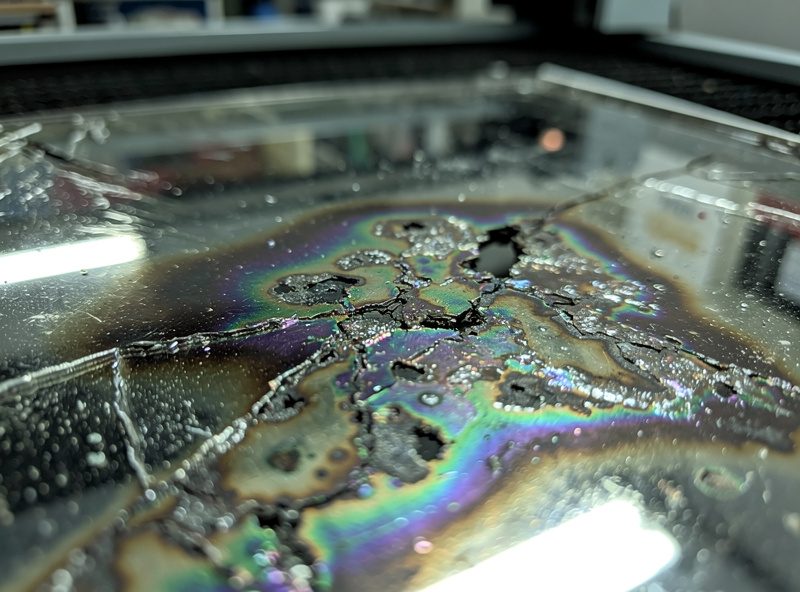
PVC (polyvinyl chloride) contains chlorine atoms bonded to a vinyl carbon backbone. When the laser heats PVC to vaporization temperature, the chlorine breaks free and combines with hydrogen and water vapor in the air to form hydrogen chloride gas (HCl). HCl in air becomes hydrochloric acid — the same acid used to dissolve metal and etch glass in industrial processes. The acid mist coats every surface in the laser cabinet within seconds of cutting PVC, including the laser tube, mirrors, and electronics.
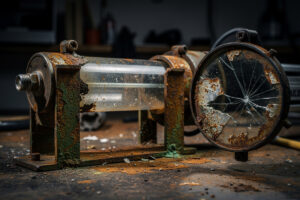
The damage is fast and permanent. Laser tubes corrode internally and lose power output within 1–10 cuts. Galvanized steel frames develop visible rust spots. Optical mirrors lose reflectivity and need replacement. Stepper motors corrode at the electrical contacts. Total damage from a single PVC cut session can range from $200 (mirror replacement) to $2000+ (laser tube + electronics replacement). Insurance typically does not cover misuse damage. Our laser buyers guide covers laser tube replacement costs across machine types — every model in that list is vulnerable to PVC damage.
Materials That Secretly Contain PVC
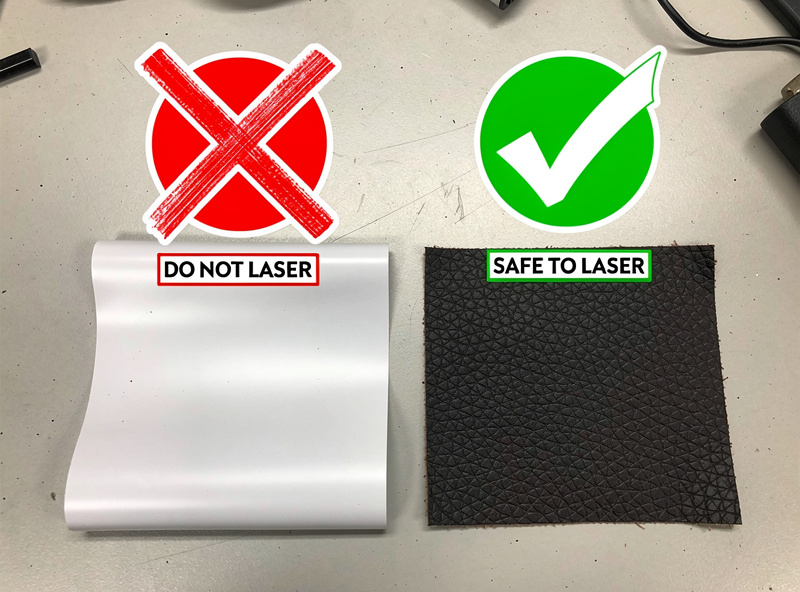
Many materials that look harmless contain PVC and must never be laser-cut. The hidden-PVC list includes faux leather (most “leather-look” materials are PVC-coated fabric), shower curtains and tablecloths, vinyl banners and stickers, vinyl flooring tiles, certain “leatherette” upholstery materials, electrical wire insulation, garden hoses, certain inflatable products, and some plastic packaging materials.
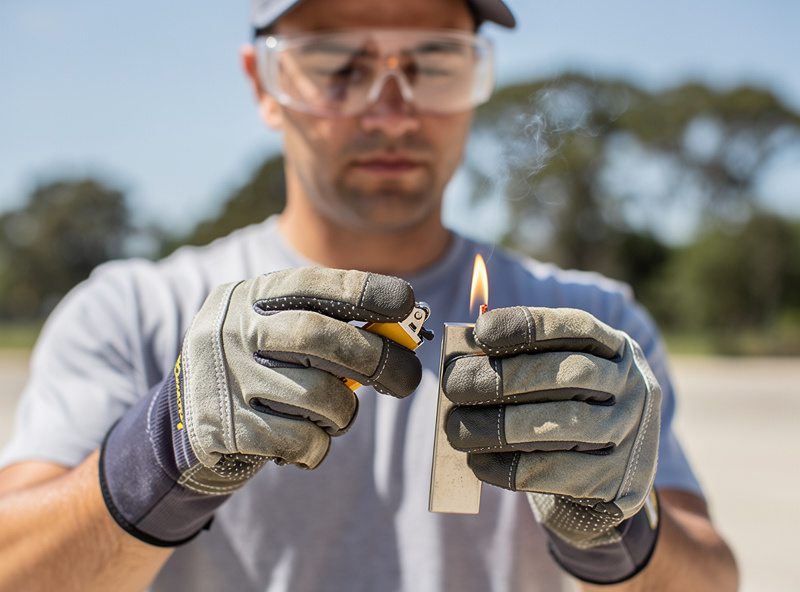
The simple identification test: the burn test. Cut a small corner of the material with scissors and burn it briefly with a lighter (outdoors, in a well-ventilated area). PVC burns with a green-tinged flame and produces an acrid white smoke that smells distinctly chemical. Other plastics produce yellow-orange flames and less acidic smoke. This test takes 10 seconds and prevents catastrophic laser damage. If you cannot identify the material with certainty after the burn test, do not put it in a laser. The cost of a $5 sheet you cannot use is irrelevant compared to the $500–2000 in laser damage from cutting it.
Specific Materials and Their PVC Status
| Material | PVC Status | Laser Safe? |
|---|---|---|
| Real leather (vegetable tanned) | No PVC | Yes |
| Real leather (chrome tanned) | No PVC, but has chromium | Marginal — produces toxic chromium fumes |
| Faux leather / leatherette | Often contains PVC | NO — burn test required |
| Vinyl signs and stickers | Always contains PVC | NO — never cut |
| Inflatable pool toys | Usually PVC | NO — never cut |
| Garden hoses | Almost always PVC | NO — never cut |
| Shower curtains | Almost always PVC | NO — never cut |
| Plastic plumbing pipes (white/gray) | PVC or CPVC | NO — never cut |
| Acrylic sheets | No PVC (acrylic only) | Yes |
| Polycarbonate (Lexan) | No PVC, but has other toxins | NO — releases chlorine in some formulations |
| HDPE / PP plastics | No PVC, no chlorine | Marginal — produces wax-like smoke that gunks up optics |
| ABS plastic | No PVC, but has cyanide compounds | NO — releases hydrogen cyanide |
| Polystyrene foam | No PVC, but has cyanide compounds | NO — releases hydrogen cyanide |
| Treated/pressure-treated wood | Contains chromated copper arsenate | NO — produces arsenic fumes |
| Construction-grade plywood (glue) | Often contains formaldehyde | Marginal — exhaust required |
The pattern: anything with chlorine atoms in the chemical structure (PVC, CPVC, vinyl) is catastrophic. Anything with other toxic elements (cyanide in ABS/polystyrene, arsenic in treated wood) is dangerous in different ways. The safe materials are the ones whose laser-cutting byproducts are simple combustion products — wood, untreated plywood with safe glues (Baltic birch, Glowforge Proofgrade), real leather, acrylic, paper, fabric. Our materials hub covers the safe materials in detail.
Symptoms of PVC Exposure
Acute PVC exposure (cutting PVC for the first time) produces immediate symptoms. The smoke is visibly different from normal laser smoke — heavy, white, and acrid. Breathing it produces a sharp burning sensation in the throat and lungs, often combined with watery eyes and a metallic taste in the mouth. The symptoms persist for hours after exposure.
Chronic exposure (regularly cutting PVC despite knowing better, or operating in a poorly ventilated workshop where PVC contamination accumulates) produces longer-term symptoms. These include chronic respiratory irritation, increased asthma frequency, throat irritation, and (in extreme cases) measurable lung damage on medical scans. The threshold for permanent damage is not well-characterized in laser-specific exposure data, but the OSHA limit for HCl gas exposure is 5 ppm — easily exceeded by even a single PVC cut in an unventilated room. If you have cut PVC in the past and notice ongoing respiratory symptoms, consult a doctor and disclose the exposure history.
Safe Alternatives for Common PVC Use Cases
For projects where PVC seemed tempting, several safe alternatives produce similar visual results. Faux leather alternatives: real vegetable-tanned leather at $4–8 per square foot, or laser-cuttable cork ($3–6 per square foot) for a leather-look texture. Vinyl sign alternatives: paint or vinyl applied AFTER laser-cutting a substrate (the laser cuts a wood or acrylic shape, then vinyl is applied as a finish layer with a transfer tape). Inflatable/flexible alternatives: silicone rubber sheets for some applications, woven fabric with stitched edges for others. Pipe/tubing alternatives: actual aluminum or stainless steel tubing for any tubular projects.
The general rule: if your project requires PVC, the project is incompatible with laser cutting. Use a different fabrication method (CNC routing for PVC pipe, sewing for fabric, water-jet cutting for safe sheet PVC processing) or redesign with a laser-safe alternative material. Our practical laser projects article covers project ideas that work with safe materials. Our best-wood article covers the wood species that handle most decorative projects.
Ventilation Will Not Make PVC Safe
Some users assume that strong ventilation makes PVC cutting “safer” — it does not. The chlorine gas produced by PVC cutting is heavier than air and accumulates near floor level. Standard laser ventilation systems (rooftop or wall-mounted exhaust fans) move smoke up and out, but the residual chlorine deposits as acid mist on every laser internal component during the cut itself. By the time the ventilation system has cleared the chamber, the damage is done.
Industrial PVC cutting (which exists in commercial signage and pipe-manufacturing facilities) uses sealed laser cabinets with corrosion-resistant materials, dedicated acid-scrubber ventilation systems, and operator respirators. Consumer lasers are not built to those standards and cannot be safely modified to those standards. The cost of converting a $2000 consumer laser into a “PVC-safe” machine exceeds the cost of buying a new laser, and the conversion would still not match the safety of industrial systems. Our workshop ventilation guide covers normal laser ventilation requirements for safe materials only.
If You Have Already Cut PVC
If you have cut PVC in your laser, immediate cleanup limits the damage. Power off the laser. Open the cabinet and run the exhaust at maximum for 30 minutes to clear residual fumes. Wear a respirator (N95 minimum, ideally a full-face cartridge respirator with acid-gas filters) during cleanup. Wipe all interior surfaces with a damp cloth, particularly the mirrors, focal lens, and laser tube exterior. Inspect for visible corrosion or color changes.
Run the laser through a low-power test cut on safe material (wood or acrylic) to verify functionality. If the cut quality is degraded versus pre-PVC, the laser tube has likely lost output; replacement is the only practical fix. Document the incident — if you sell the machine later, full disclosure of PVC exposure protects both you and the buyer. Most laser tubes that survive a single PVC exposure show 10–30% power degradation that compounds with each subsequent exposure to anything corrosive. The fix path is preventive: never put PVC in a laser again, and verify every new material before cutting it.
Frequently Asked Questions
What happens if I cut PVC with a laser?
PVC releases hydrochloric acid gas that corrodes laser tubes, mirrors, electronics, and frames. Damage ranges from $200 (mirror replacement) to $2000+ (laser tube + electronics). The acid is also toxic to humans, causing respiratory damage with each exposure.
How can I tell if a material contains PVC?
The burn test. Cut a small corner with scissors, burn it outdoors with a lighter. PVC burns with a green-tinged flame and produces acrid white smoke smelling distinctly chemical. Other plastics produce yellow-orange flames and less acidic smoke.
Is faux leather safe to laser cut?
Usually no. Most faux leather is PVC-coated fabric and produces hydrochloric acid when laser-cut. Use real vegetable-tanned leather instead. The burn test identifies whether a specific faux leather contains PVC.
Will good ventilation make PVC cutting safe?
No. The chlorine gas produced by PVC cutting deposits as acid mist on laser internals during the cut itself, before ventilation can clear it. The damage occurs faster than any ventilation system can prevent.
Can I cut vinyl signs with my laser?
No. All vinyl signage contains PVC and produces toxic gas when laser-cut. Use paint or apply vinyl AFTER laser-cutting a wood or acrylic substrate as a finish layer with transfer tape.
What other materials should never be laser cut?
PVC, vinyl, faux leather (PVC-coated), polycarbonate, ABS, polystyrene, treated wood, fiberglass, and most insulation foams. The safe list includes real leather, wood, untreated plywood, acrylic, paper, fabric, and laser-tested craft materials.
What should I do if I already cut PVC?
Run the exhaust at maximum for 30 minutes. Wear a respirator and wipe all interior surfaces with a damp cloth. Test cut on safe material to verify laser functionality. Most lasers exposed to PVC show measurable power degradation; tube replacement may be needed.